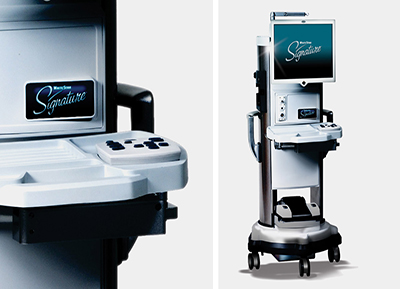
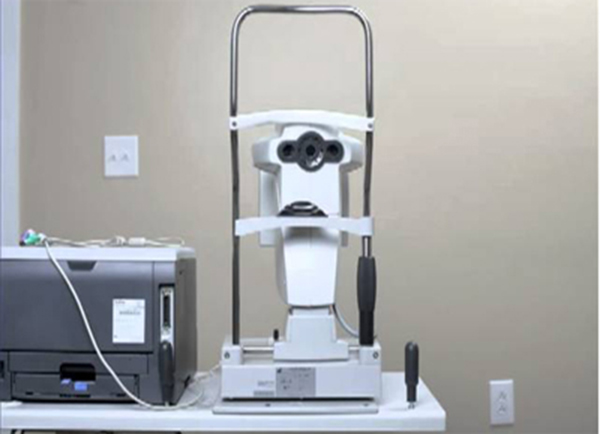
There are 2 operating theatres for cataract surgery which is well equipped with state-of-art operating microscopes and surgical equipment.
Phacoemulsification, a method of cataract surgery in which the eye’s internal lens is emulsified using ultrasonic energy and replaced with an intraocular lens implant(IOL).
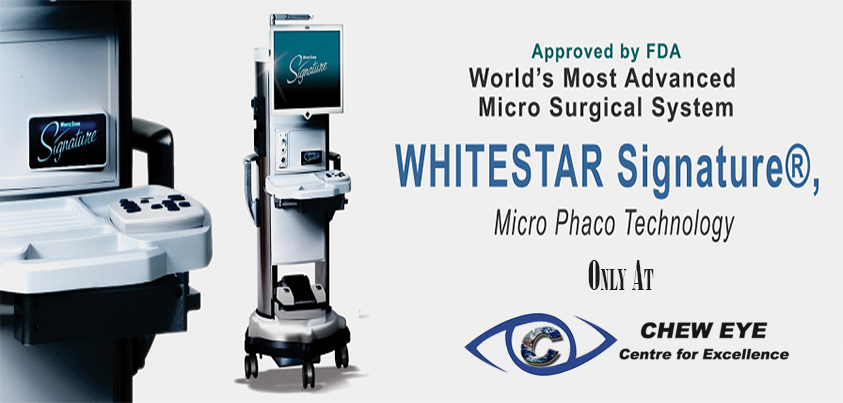
The WHITESTAR Signature® System is more than just the latest phaco technology — it's an all-new surgical platform. It represents a breakthrough in safe, easy lens removal technology that has never been available to the cataract surgeon until now.
Only the WHITESTAR Signature® System combines the safety of revolutionary Fusion® Fluidics with the optimized cavitation of WHITESTAR® Technology. The integration of these technologies creates the versatility needed to remove both hard and soft lenses.
Operating Theatre (LASIK)
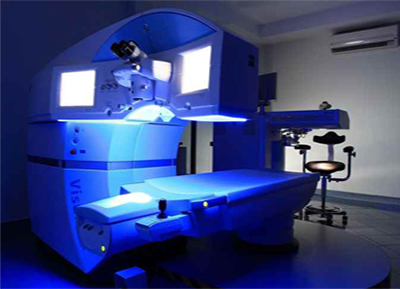
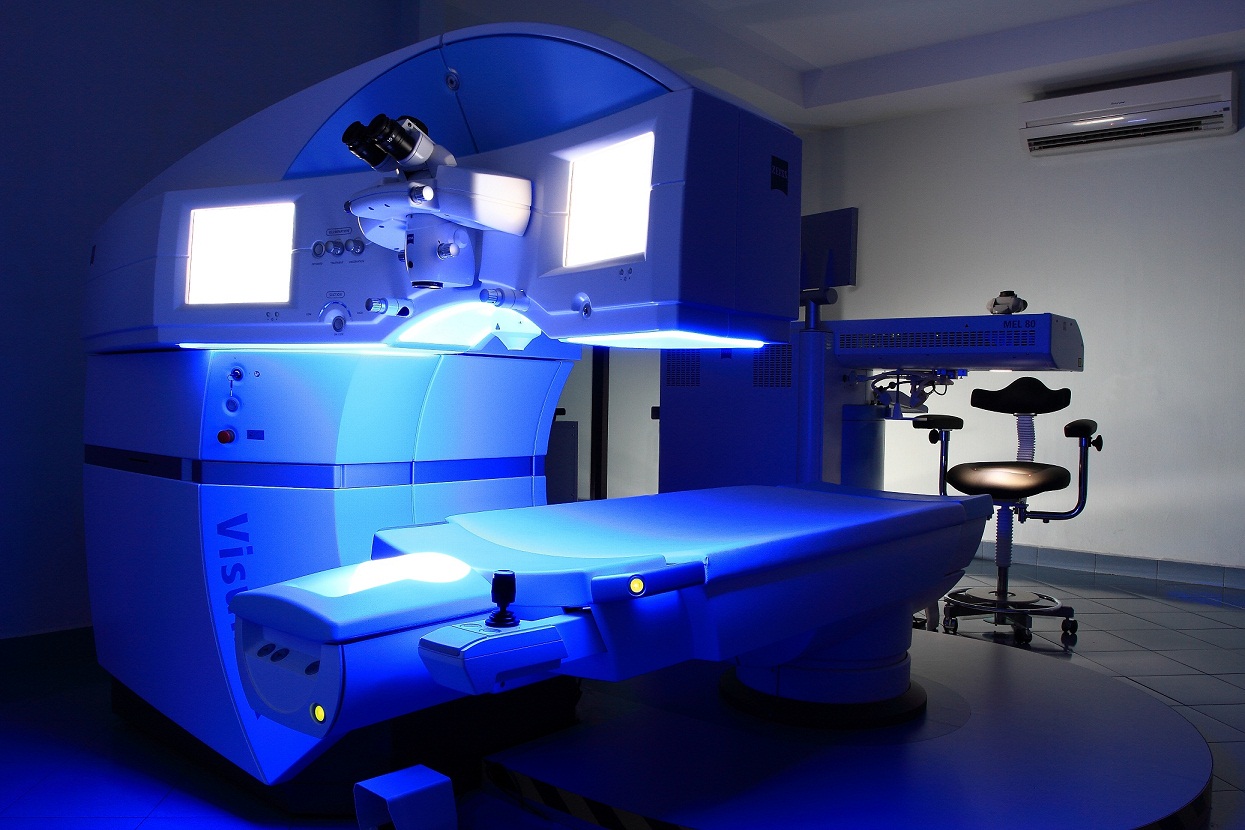
VisuMax 500 KHZ Femtosecond
The VisuMax® is extraordinary in all major application of state-of-the-art corneal surgery. With a laser pulse rate of 500 kHz.
The VisuMax Femtosecond System from Carl Zeiss Meditec sets new standards of efficiency in corneal surgery. VisuMax combines excellent incision precision with best-in-class speed and treatment comfort in performing advanced femtosecond laser applications.
Precise Pulse Technology safely and accurately controls every single laser pulse from beginning to end. Using Zeiss PrecisePulse™ Technology, every beam of the laser is precisely placed on the cornea while an active eyetracker with an ultra-rapid infrared camera tracks the eye’s position 250 times per second.
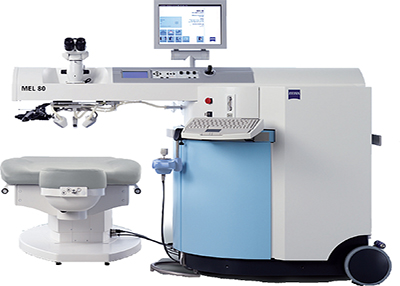
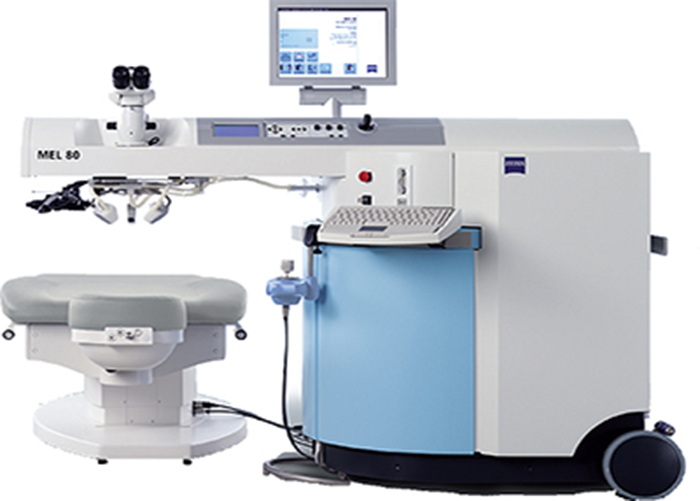
The MEL 80 eyetracker doesn’t use just one landmark on the eye, it uses two, which is an important feature for exact registration and laser alignment. The laser has the smallest beam spot size in the world (0.7mm). This makes possible the most accurate and smooth treatments.
Operating Theatre 3
Zeiss Mel 80 Excimer Laser
CRS Master™ Aberrometer offers the most precise measurement the eye and the map generated is used for a detailed treatment plan by taking into account of the unique optical distortions, glasses prescription, pupil size, and visual needs, hence further refining the laser vision correction.
Dr. Chew Kok Peng has been able to consistently demonstrate a flap thickness of between 80- 90 microns during LASIK procedure. This is to increase the corneal stability and the levels of safety. We have treated spherical numbers as high as -13D and + 8D as well as astigmatism 6D for each eye with excellent results.
Laser Suite
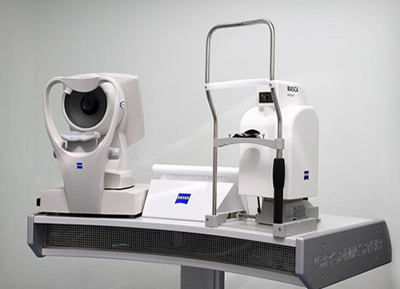
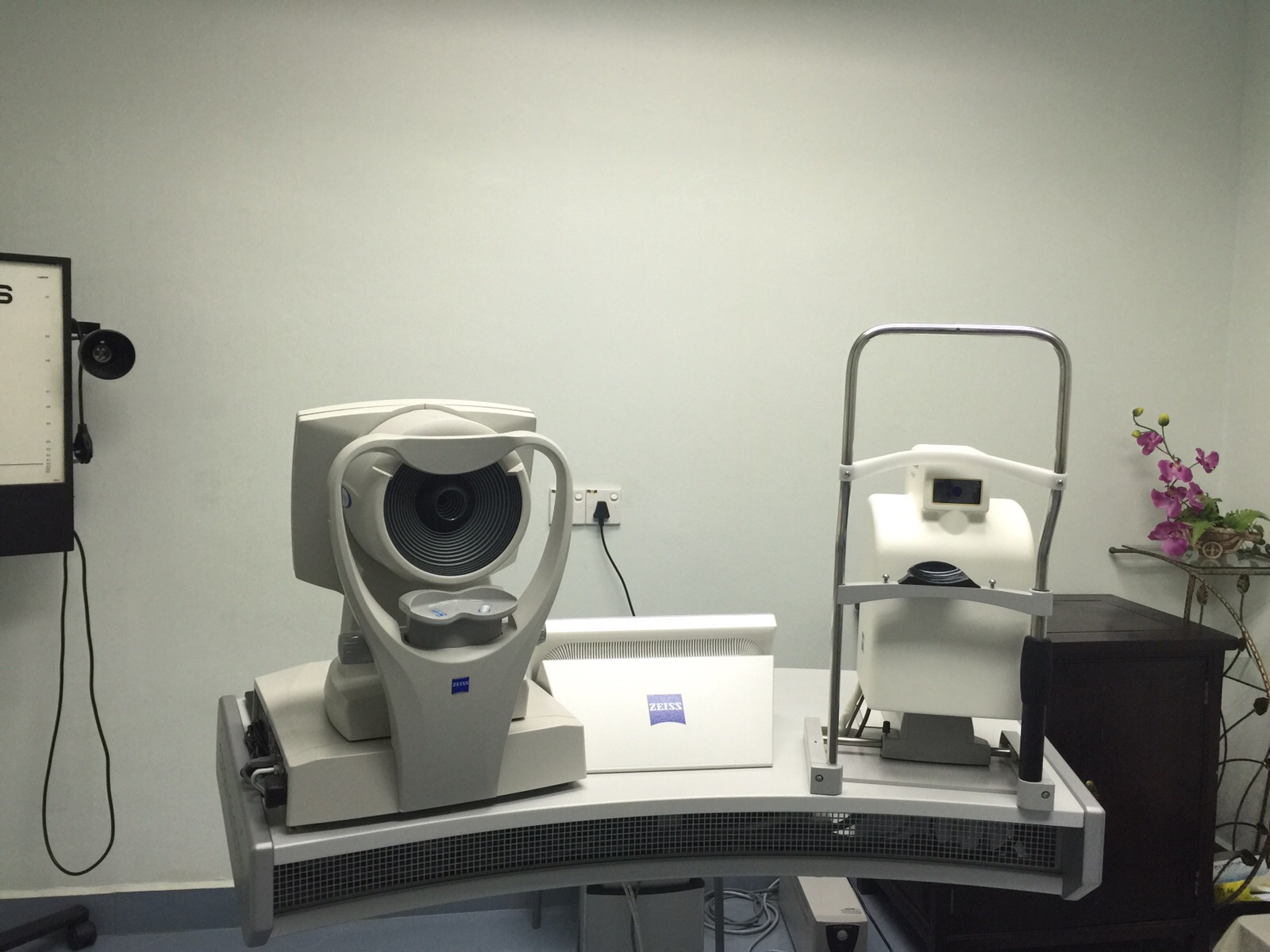
Corneal Topography & Wasca Analyzer
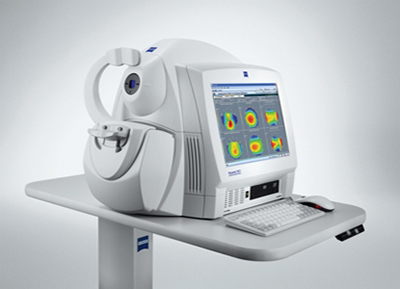
Corneal topography is a valuable three dimensional imaging tool to map the surface of the cornea. Corneal topography is critical in detecting a variety of corneal abnormalities.
Wavefront analysis is very important to measure higher order aberrations of the human optical system. Higher order aberrations are types of vision deficits similar to lower order aberrations, such as near-sightedness, far-sightedness and astigmatism, but represent different distortions.
They seem to be more apparent in some patients and often cause symptoms such as decreased night vision, glare and halos around lights.
Laser Suite
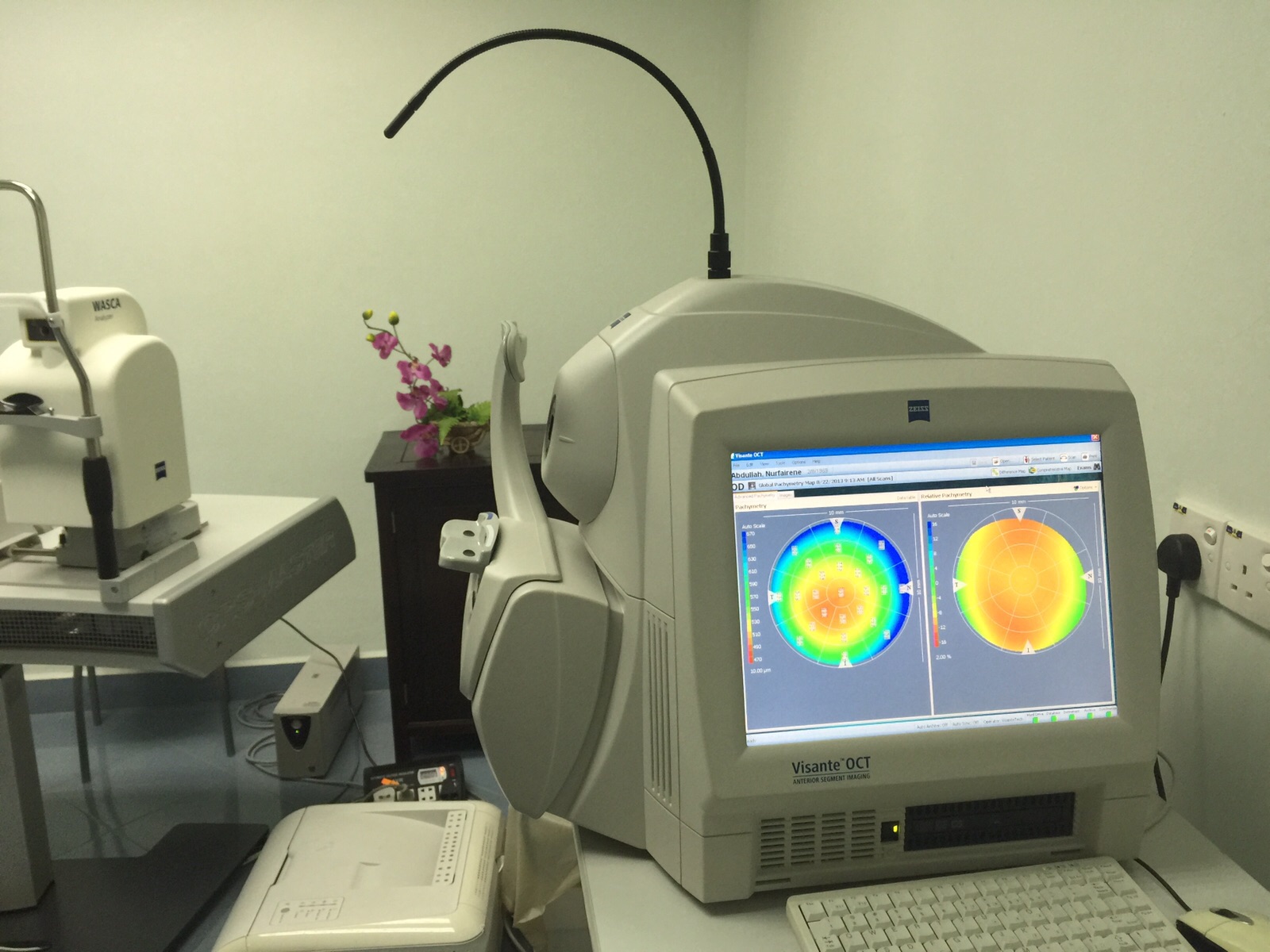
Visante Anterior Segment OCT
The Visante OCT uses a non-contact technique to provide sharp, highly detailed images and precise biometrics of the anterior segment, including corneal shape and angle information.
Surgery Recovery Room
After Surgery (Day)
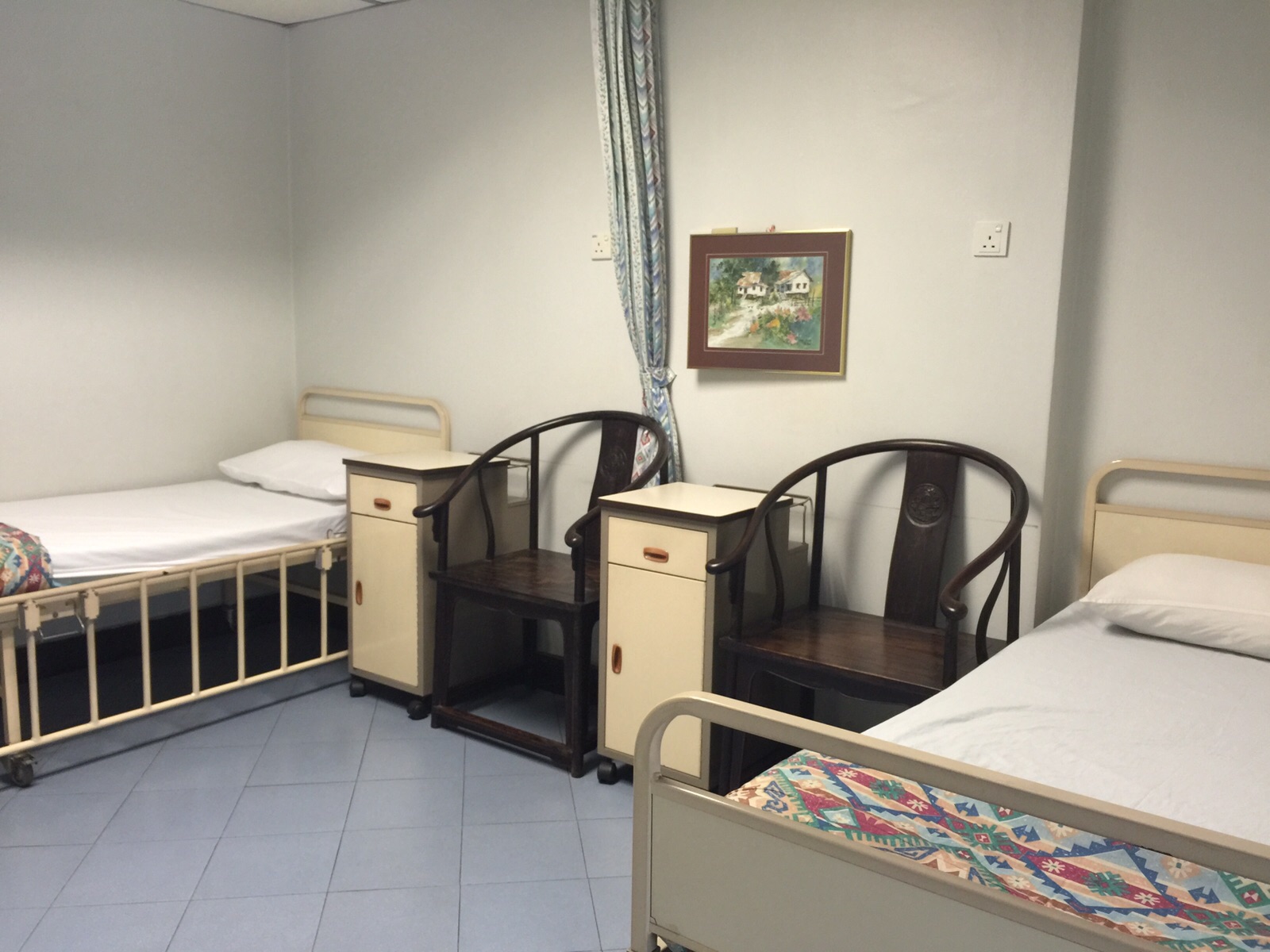
The Surgery Recovery Room offers day bed for our patients as they await or recover from their respective surgical procedures. Patients are constantly monitored and observed by our team of nurses.
We have 8 surgery recovery rooms with more than 20 patients bed in Ipoh itself.
Diagnostic Equipment
IOL Master
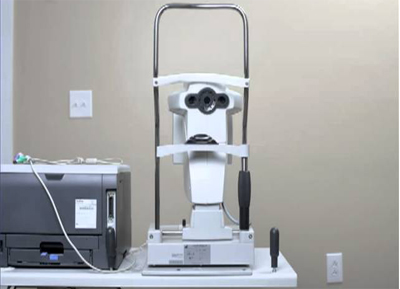
For accurate biometry measurement of the eye, our centre uses the Zeiss IOL Master and A-scan ultrasound biometry. IOL Master allows fast, accurate measurements of eye length and surface curvature.
Diagnostic Equipment
IOL Master
For accurate biometry measurement of the eye, our centre uses the Zeiss IOL Master and A-scan ultrasound biometry. IOL Master allows fast, accurate measurements of eye length and surface curvature.
A-scan uses high frequency sound waves to provide cross sectional 2-dimensional view of the eye tissues.
These two diagnostic equipments are beneficial in cataract surgeries, to determine the power of the Intraocular Lens (IOL) needed for the artificial implant.
Glaucoma Analysis
Humphrey Field Analyser (HFA)
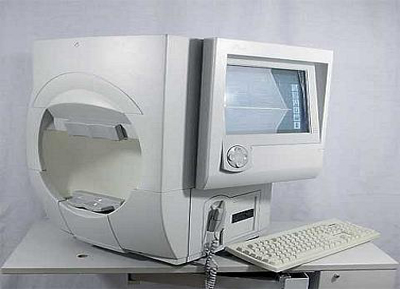
Humphrey Field Analyser (HFA) is used to detect the signs of glaucoma damage to the optic nerve. In addition, it is useful for detection of central or peripheral retinal disease, eyelid condition and diseases affecting the visual pathways within the brain.
HFA test requires you to interact with the machine. You sit in front of a concave dome and stare at an object in the middle. You press a button when you see small flashes of light in your peripheral vision. Your responses help determine if you have a defect in your visual field.